


-

Automotive Testing
Vehicle Dynamics Testing -

Automotive Testing
Measurement of Interior Noise of Vehicles -

Automotive Testing
Measuring Wheel Forces and Torques -

Automotive Testing
Temperature Measurement in HV Environments -

Automotive Testing
Pass-by Noise Measurement accoring to ISO 362

The precise acquisition and analysis of measurement data plays a crucial role in the development process in the automotive industry. This fundamental step enables the validation of subassemblies, components and prototypes, the optimization of products and the continuous monitoring of processes. imc Test & Measurement GmbH, with over three decades of experience, is dedicated to this essential task by providing advanced measurement data acquisition systems and test systems.
Webinar:
Why WFTs & steering effort sensors are crucial for vehicle development
The focus is on three central areas:
The > Test Bench and Test Laboratory form the centerpiece. Here, sophisticated measuring devices are used to carry out detailed analyses and validations of parts and components. This static approach enables an in-depth examination of the technical aspects of vehicle development.
Looking at > Mobile Vehicle Testing opens up a new dimension. The types of testing that fall under this heading make it possible to test vehicles under real-life conditions, with the focus on flexibility and mobility in data acquisition. In this dynamic environment, engineers and developers gain valuable insights into the behavior of vehicles in a wide variety of scenarios.
Test engineers face particular challenges when developing and > Testing Electric Vehicles. Specially tailored solutions make it possible to precisely analyze the performance parameters of electric vehicles, from power analysis to battery diagnostics.
The following pages provide insights into the different types of tests that are crucial for the development of vehicles:
Test Bench and Test Laboratory
The development of a vehicle as a complex system requires a large number of tests and inspections. These tests start long before the entire vehicle is completed. The development and design process is broken down into many subsystems, which are individually designed, analyzed, verified and optimized. This is usually done in test setups in the laboratory or on test benches in order to understand, manage and master the very complex dependencies and the different design goals and requirements for these subsystems. Once the components have been evaluated, the individual overall systems with their diverse interactions are also tested. Only when the test results are correct the entire systems are confronted with the real world in mobile road tests.
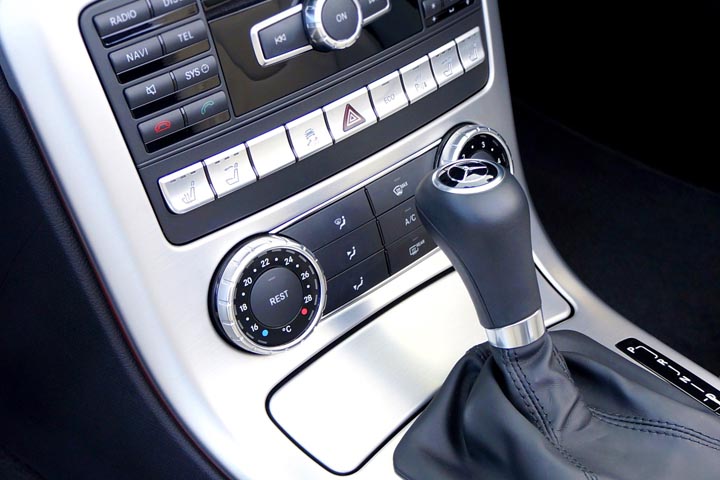
HVAC-Performance in EVs
The management of the air conditioning system, which is integrated into the heating, ventilation and air conditioning (HVAC) system, plays an important role in the context of the range of electric vehicles (EVs). Thermal management in EVs is a complex effort: the challenges go beyond thermal comfort in the interior, as the system must also keep critical powertrain components within a safe operating temperature corridor.
> Read More
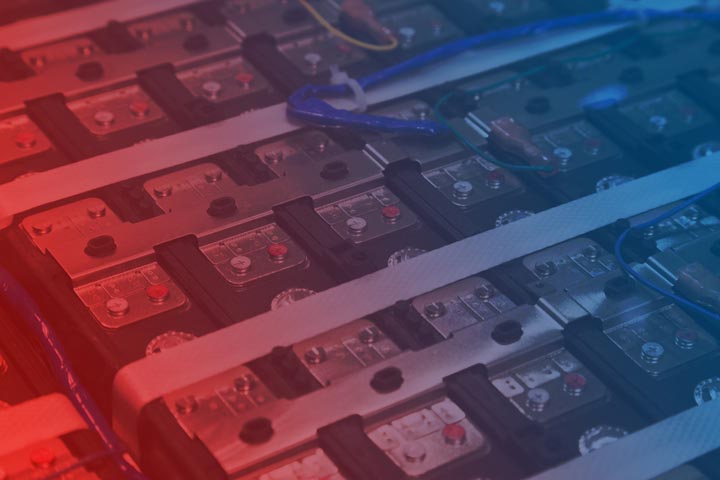
Thermal Management of E-Vehicle Batteries
Electric vehicles (EVs) are the future of environmentally friendly transportation. The global market for electric cars has seen a steady increase in sales over the last decade. The safety issues associated with the use of lithium-ion batteries in electric vehicles grow in importance as these batteries are becoming more powerful, charging times reduce and the size of battery packs increase to maximize range.
> Read More
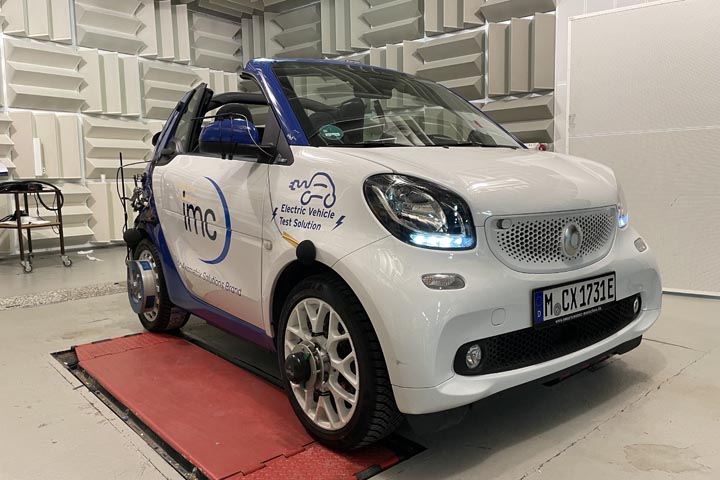
NVH Measurement in Vehicles
NVH measurements (Noise, Vibration, Harshness) are an important component in the development of cars. They include the analysis and evaluation of a vehicle's sound and vibration behavior under various conditions. If a multi-channel data acquisition system is used for noise and vibration measurement, a comprehensive noise analysis of specific noise sources inside and outside the vehicle can be carried out. The interior noise in the passenger compartment, the pass-by noise and the sound power of engines and fans, among other things, are measured.
> Read More
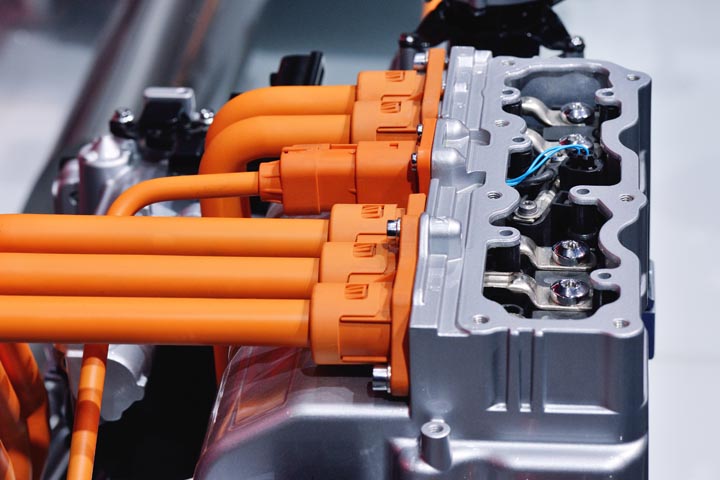
Current Measurement in EVs
In the world of hybrid and electric vehicles (EVs), accurate current measurement plays a central role in various critical development and usage matters. Whether it's evaluating power consumption or analyzing charging processes, high-precision current measurement is an essential part of the testing process. There are various techniques for measuring electrical current, each with their own advantages and optimal application scenarios. Some of the most common current measurement techniques are presented on the following page.
> Read More
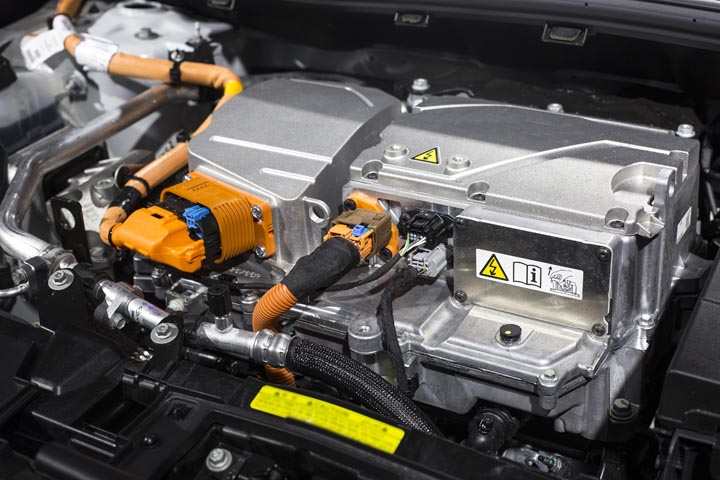
Power Measurement in EVs
The efficiency of an electric motor is one of the decisive factors for optimizing the achievable range of an electric vehicle for a given battery system capacity. The efficiency results from the ratio of the mechanical output power to the effective electrical input power. In order to determine the efficiency of an electric motor, both the electrical input power and the mechanical output power must be determined.
> Read More
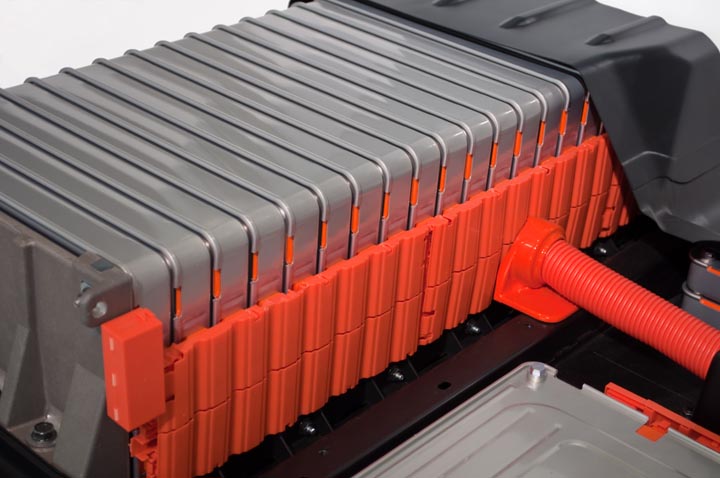
Battery Testing for EVs
Extensive tests and inspections are crucial in the development of batteries for electric vehicles (EVs). They help to determine the load limits of battery cells, modules and complete battery packs. They include long-term tests in climatic chambers as well as load tests with charging and discharging cycles. During these tests, continuous monitoring of the cell voltage and temperature is required for each individual battery cell. In addition, crash tests, battery drop tests, penetration tests, pressure, bending and vibration tests and misuse tests are carried out.
> Read More
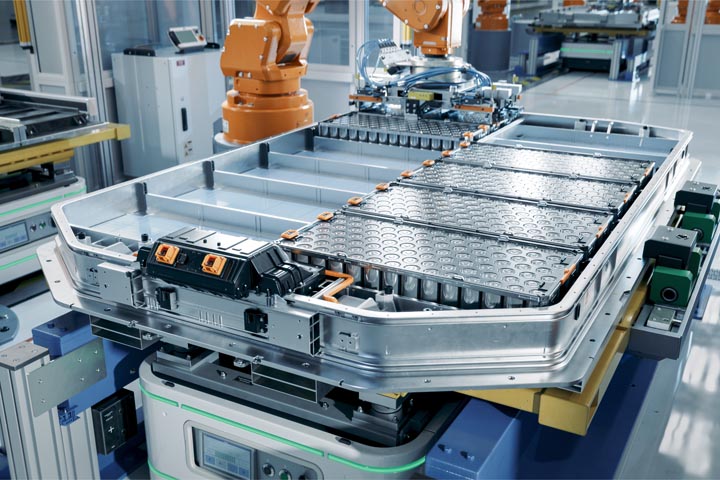
Battery Test Stand
A lithium-ion battery test stand checks the performance of battery systems including traction batteries from electric vehicles. While design and functional features vary, there are common features that characterize a battery test bench. The test chamber ensures controlled conditions that simulate real-world scenarios, including temperature and humidity control. The test bench measures voltage and current for real-time monitoring of the battery's electrical parameters. This is crucial for tracking charging and discharging currents and voltage values.
> Read More
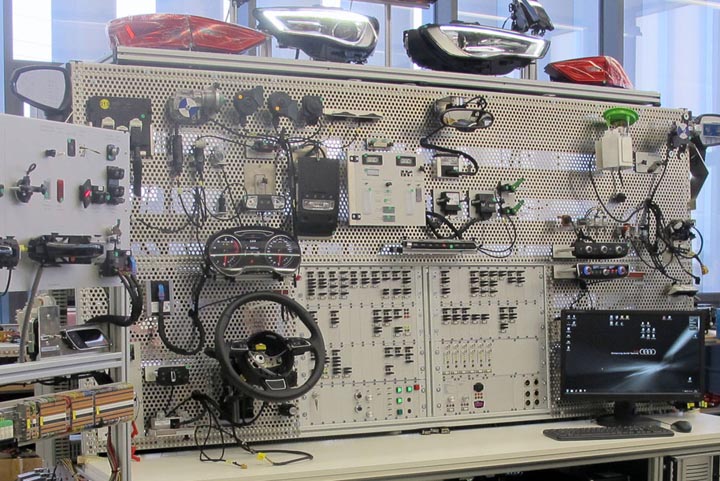
Wide-range Current Measurement
Modern hybrid vehicles (PEHV) and electric vehicles (EV) use a complex power management system to precisely control and optimize energy flows. Most people think of the electric powertrain, but infotainment systems, actuators and ECU control units also need to be provided with power - even when the vehicle is stationary. It is therefore important to take a comprehensive look at the energy flows and power consumption within the on-board power system, especially when it comes to optimizing the vehicle's range.
> Read More
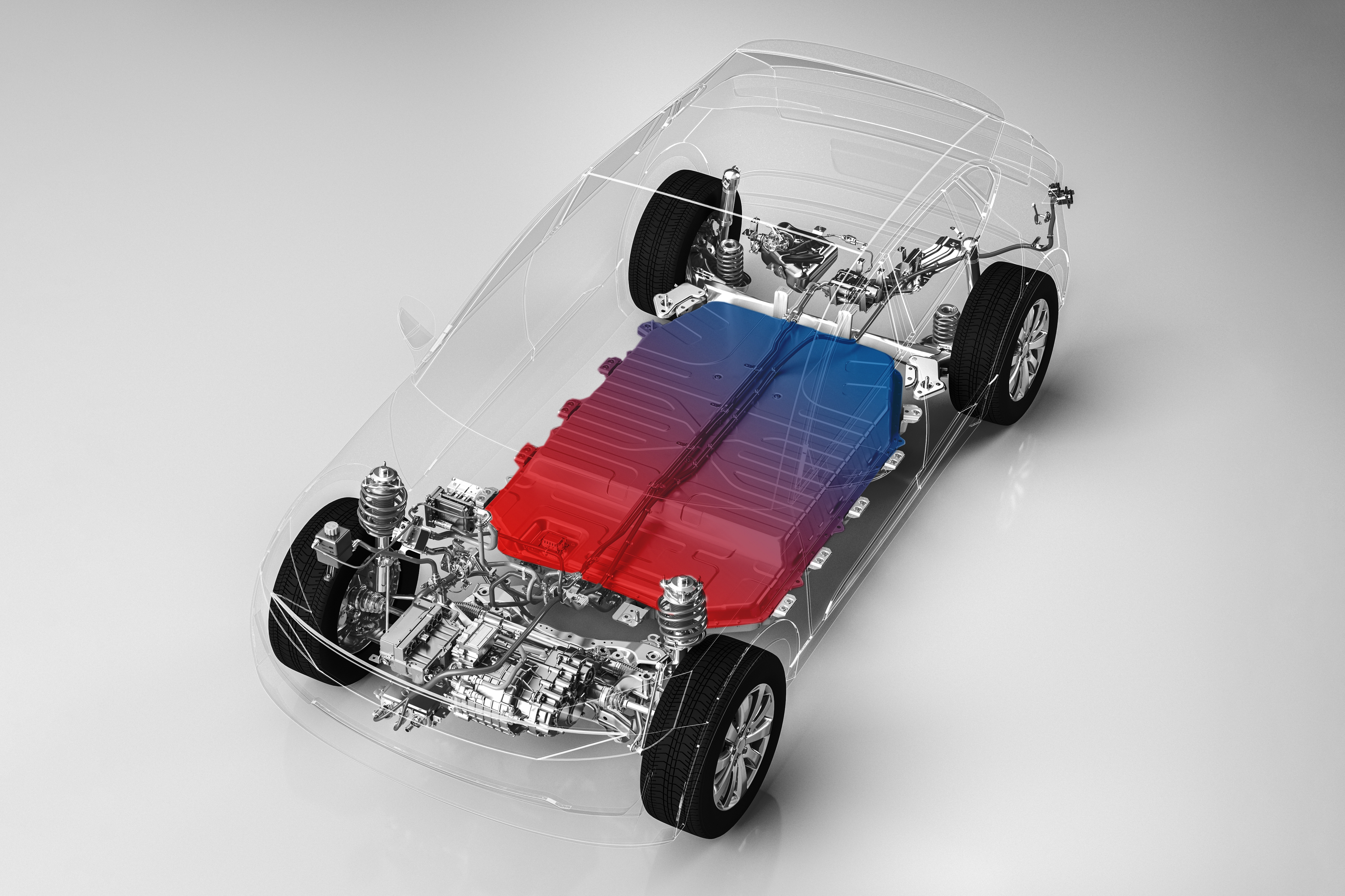
Temperature Measurement in HV Environments
During the development of hybrid and electric vehicles, temperature measurements are conducted on a large number of components. The applications range from battery, connectors and power electronics to measurements on the electric motor. Many of the measuring points have high voltage potentials and must be robust in terms of EMC and ESD, so that both classic HV temperature measurement modules and innovative fiber optic solutions are required.
> Read More

Interior Noise Measurement
Measuring the interior noise of a vehicle is a crucial aspect of NVH (Noise, Vibration and Harshness) analysis in motor vehicles as it directly affects the quality and comfort of the driving experience. To measure a vehicle's interior noise, microphones are strategically placed inside the vehicle to capture sound waves and record them as NVH values. Some of these measurements are taken during real-time driving scenarios to capture a realistic noise environment.
> Read More
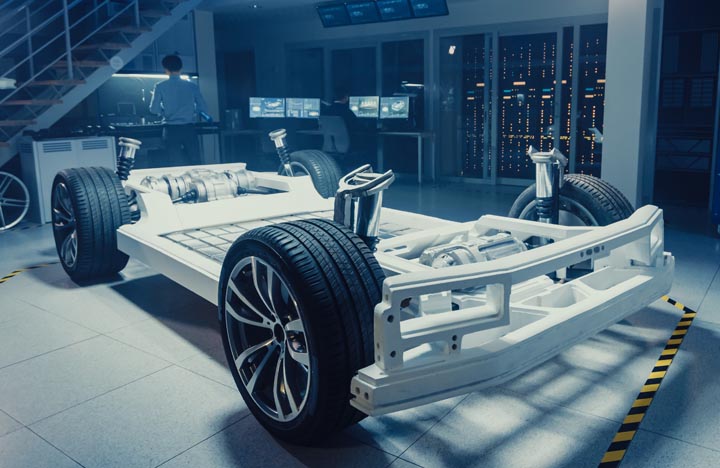
Drive Train Testing in EV Development
Electric vehicle (EV) development involves a series of critical measurement tasks designed to evaluate the performance and efficiency of the electric powertrain and associated components such as the battery, inverter and electric motor. These tasks are essential for optimizing performance, ensuring safety and improving the overall driving experience.
> Read More
E-Axle Testing
Complete e-axle systems for battery-powered vehicles (BEV) integrate the electric motor, power electronics, and transmission into one compact component. Testing these e-axles is crucial to ensure their proper functioning and to optimize the overall vehicle's performance.
> Read More
Mobile Vehicle Testing
Mobile vehicle tests are an important part within the vehicle development process and are essential for gaining knowledge about a new developed vehicle. Their aim is to measure and test the interaction of a vehicle's components under real-life conditions. This takes place either on proving grounds or on public roads. The complete test program, including endurance tests and life cycle tests, enables engineers to observe and analyse the behaviour of vehicles in realistic driving situations. Important measurement tasks include the validation of the vehicle lifetime as well as the evaluation of driving comfort, driving dynamics, noise and vibrations.
> Read More

Vehicle Dynamics
Vehicle dynamics is concerned with analyzing the movement sequences of the vehicle. It includes individual factors such as acceleration, braking, handling, ride comfort and stability. In a broader sense, it also includes recognizing and predicting vehicle reactions to various influences such as steering, road bumps and aerodynamic forces. Vehicle dynamics are crucial for the design and optimization of cars in terms of safety, efficiency and performance, as well as for driving stability, manoeuvrability and comfort.
> Read More
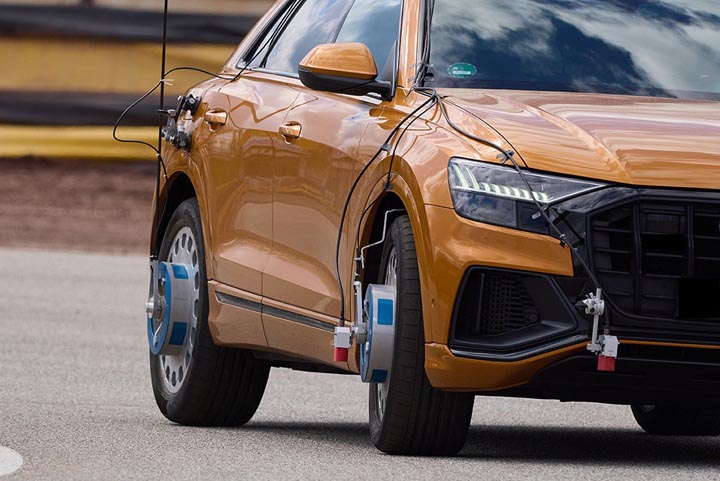
Measuring Wheel Forces and Torques
The determination of wheel force and wheel torque is essential for the development of modern vehicles. A common method of measuring drive torque is to use strain gauges on the original output shaft. Another equivalent method is measurement via an explicit torque sensor mounted between the rim flange and wheel hub. A wheel force and torque transducer is required to measure forces and torques with high precision.
> Read More
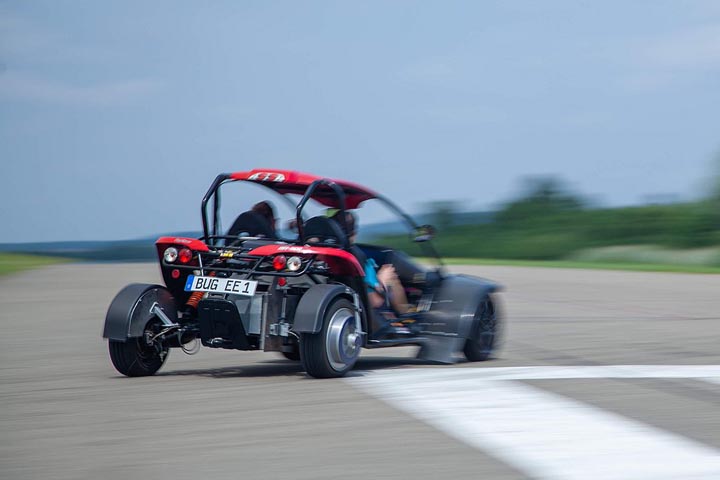
Torque Vectoring
Torque vectoring is being used more and more frequently for chassis tuning in modern (e)-vehicle architectures: Drive and braking torques are differently adjusted at the individual wheels. The basis for this is vehicle dynamics, dealing with the lateral dynamics of the vehicle, which relates to driving stability, lateral slip, yaw and roll. It is also subdivided into longitudinal dynamics and vertical dynamics, which cover driving, braking and ride comfort. Drive and brake slip are investigated in the longitudinal direction of the vehicle, which can also improve driving and braking efficiency.
> Read More
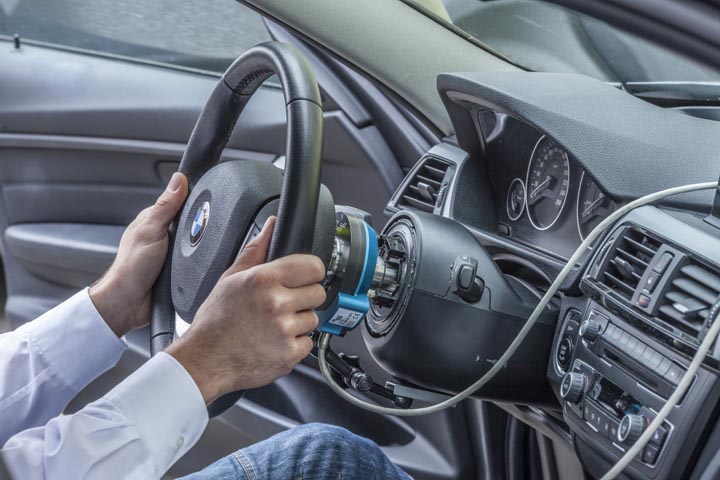
Measurements on Vehicle Steering Systems
A vehicle's steering system is a crucial element for safety, driving dynamics and driving comfort. It consists of various components to steer the vehicle safely. Faulty steering can lead to dangerous situations or accidents, which is why the proper functioning of steering systems is of crucial importance. To ensure that steering systems are working properly, measurements and tests with steering sensors are essential. There are global standards to guarantee that steering behavior measurements are uniform and reproducible.
> Read More

Wireless Wheel Speed Detection
Autonomous sensors measure various factors influencing the wheel speed independently of the vehicle and without any mechanical influence. This so-called wheel slip can be caused by the vehicle's own driving behavior. A distinction is made between a locked wheel - the wheel is stationary but the vehicle is still moving - or a spinning wheel - the wheel is already moving but the vehicle is still stationary. Assistance systems such as ABS or ESP intervene in the vehicle control system to prevent wheel slip. To do this, you need to know the exact moment of wheel slip.
> Read More
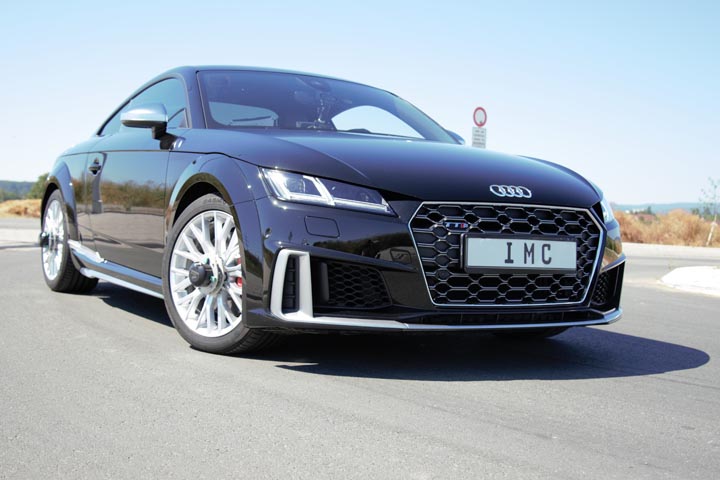
Vehicle Brake Performance
Measuring brake performance is an essential part of efforts to improve road safety. This involves measuring and processing a wide range of parameters such as brake pressure, brake force, pedal travel, temperature at the brake discs, vibrations at the brake calliper and brake noise.
Assistance systems (ADAS) such as ABS and ESP continuously monitor vehicle dynamics and intervene during braking to bring the vehicle to a controlled stop while remaining in the lane. They also need to be closely monitored.
> Read More
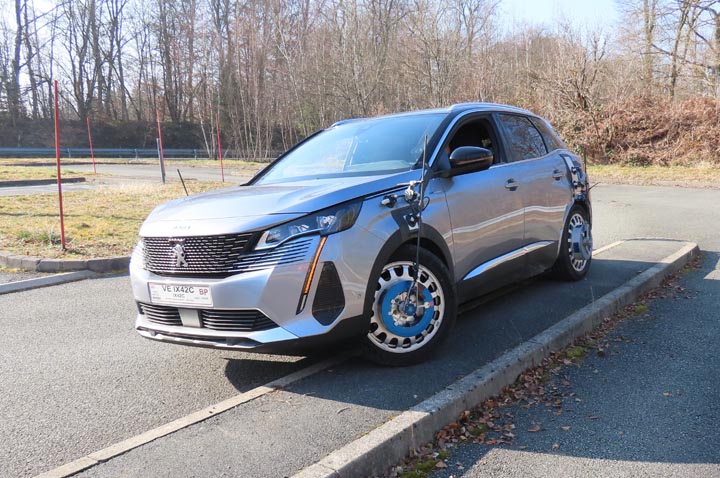
Road Load Data Acquisition (RLDA)
Road Load Data Acquisition (RLDA) collects and analyzes data that reflects the behavior of vehicles under real-world conditions. The data collected is used to simulate the vehicle during the development process. It is also used to develop a test program for component testing on the test bench.
> Read More

Vehicle Endurance Testing
Endurance testing of vehicles is an essential part of the automotive industry's efforts to produce reliable, safe and high-quality vehicles. They represent a critical phase in the development and testing of motor vehicles. The primary purpose of endurance testing is to simulate the wear and tear that a vehicle will experience throughout its lifetime. This test phase helps manufacturers to accurately assess the safety, reliability, durability and overall performance of a vehicle under different conditions.
> Read More
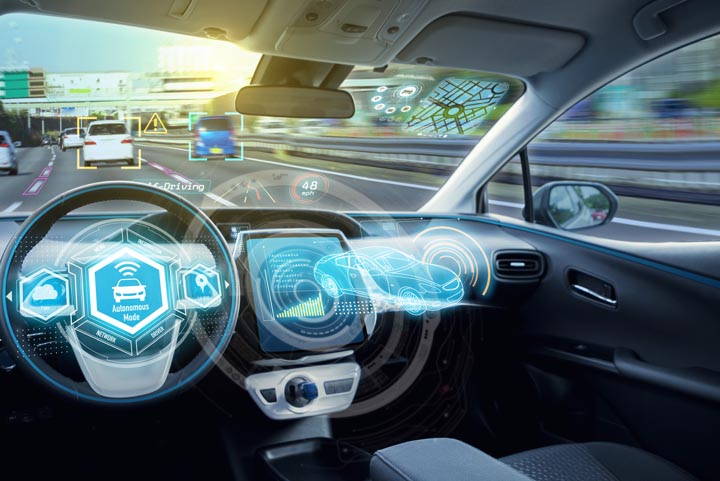
Advanced Driver Assistance Systems and Autonomous Driving
The automotive industry is in the midst of a revolutionary change that is fundamentally altering our understanding of driving. The drivers of this change are Advanced Driver Assistance Systems (ADAS) and Autonomous Driving (AD). These technologies are designed to increase safety, optimize traffic flow and ultimately usher in a new era of driving.
> Read More
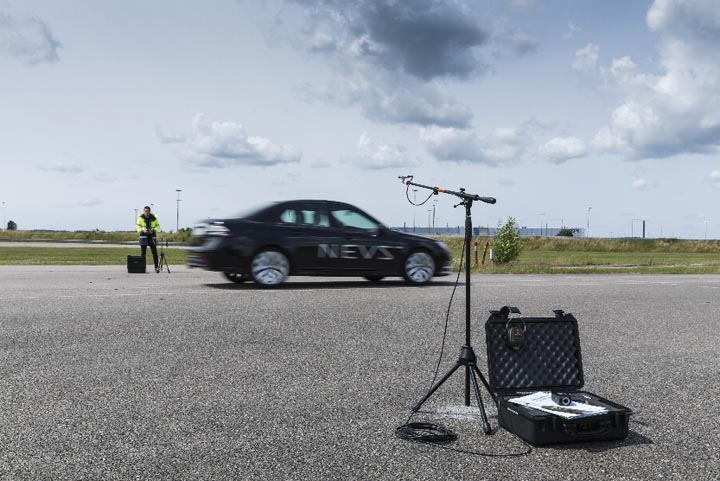
Pass-by Noise Measurement
Vehicle pass-by measurements record the sound level and acoustic characteristics of a vehicle as it passes a certain point.
> Read More
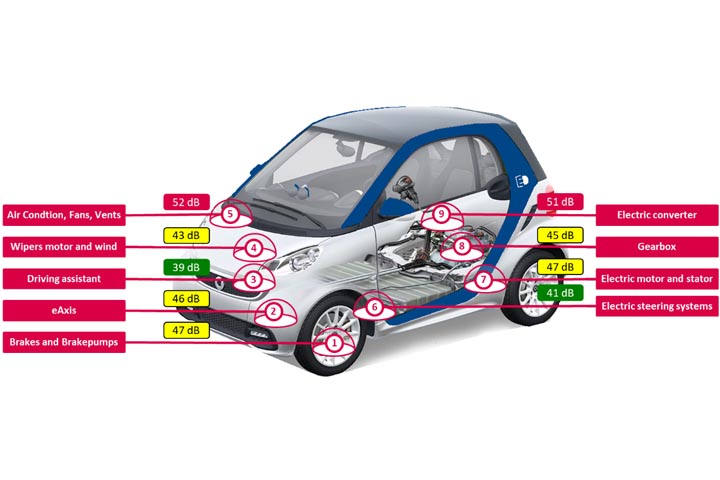
Sound Power
Sound power is the sound energy that a component or machine emits in all directions. It is independent of distance and cannot be measured with a simple sound level meter.
> Read More
Drive Train Efficiency
Efficiency is a paramount consideration in the development and optimization of electric vehicles (EVs) powertrains. To evaluate and improve efficiency, detailed measurements of speed, torque, current, voltage, and power are essential components of the testing process.
> Read More
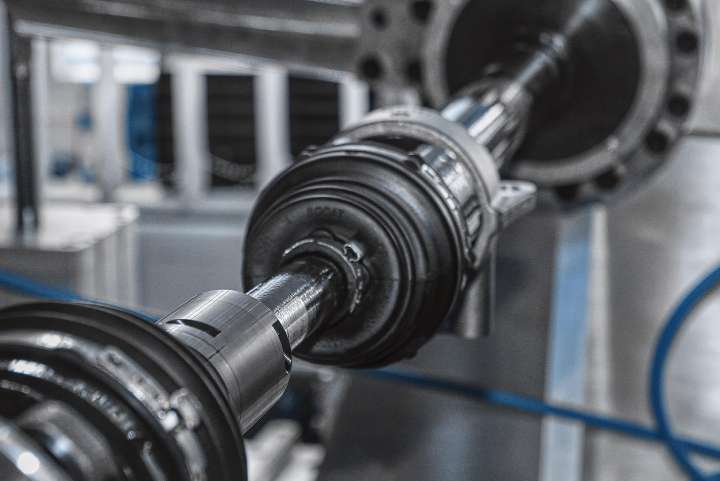
Torque Measurement
In the realm of assessing mechanical performance, whether on a stationary test bench or during dynamic driving tests, the measurement of speed and torque is paramount. These parameters provide critical insights into how a system operates, making them indispensable for performance evaluation.
> Read More
Electric Vehicle Testing
Electric vehicles (EVs) are at the forefront of a transformative shift in the automotive industry. With the pressing need to reduce emissions and dependence on fossil fuels, the future of electric mobility holds great promise. However, to make this vision a reality, rigorous testing and measurement techniques and tools are vital. At the heart of this evolution are technologies and systems that facilitate the development and optimization of electric and hybrid vehicles.
> Read More
Drive Train Testing in EV Development
Electric vehicle (EV) development involves a series of critical measurement tasks designed to evaluate the performance and efficiency of the electric powertrain and associated components such as the battery, inverter and electric motor. These tasks are essential for optimizing performance, ensuring safety and improving the overall driving experience.
> Read More
Battery Test Stand
A lithium-ion battery test stand checks the performance of battery systems including traction batteries from electric vehicles. While design and functional features vary, there are common features that characterize a battery test bench. The test chamber ensures controlled conditions that simulate real-world scenarios, including temperature and humidity control. The test bench measures voltage and current for real-time monitoring of the battery's electrical parameters. This is crucial for tracking charging and discharging currents and voltage values.
> Read More
Battery Testing for EVs
Extensive tests and inspections are crucial in the development of batteries for electric vehicles (EVs). They help to determine the load limits of battery cells, modules and complete battery packs. They include long-term tests in climatic chambers as well as load tests with charging and discharging cycles. During these tests, continuous monitoring of the cell voltage and temperature is required for each individual battery cell. In addition, crash tests, battery drop tests, penetration tests, pressure, bending and vibration tests and misuse tests are carried out.
> Read More
Thermal Management of E-Vehicle Batteries
Electric vehicles (EVs) are the future of environmentally friendly transportation. The global market for electric cars has seen a steady increase in sales over the last decade. The safety issues associated with the use of lithium-ion batteries in electric vehicles grow in importance as these batteries are becoming more powerful, charging times reduce and the size of battery packs increase to maximize range.
> Read More
Power Measurement in EVs
The efficiency of an electric motor is one of the decisive factors for optimizing the achievable range of an electric vehicle for a given battery system capacity. The efficiency results from the ratio of the mechanical output power to the effective electrical input power. In order to determine the efficiency of an electric motor, both the electrical input power and the mechanical output power must be determined.
> Read More
Current Measurement in EVs
In the world of hybrid and electric vehicles (EVs), accurate current measurement plays a central role in various critical development and usage matters. Whether it's evaluating power consumption or analyzing charging processes, high-precision current measurement is an essential part of the testing process. There are various techniques for measuring electrical current, each with their own advantages and optimal application scenarios. Some of the most common current measurement techniques are presented on the following page.
> Read More

Contact us
Bestech Australia Pty Ltd
U14, 44 Garden Boulevard, Dingley, VIC 3172
Phone: +61 3 9540 5117
Fax: +61 3 9551 5541
E-Mail: sales@bestech.com.au
Headquarter | info@imc-tm.de
France | hotline@imc-france.com
USA | accounts@imcdataworks.com
China | cnsales@imc-tm.com
Spain | info@imc-tm.es
South Korea | hotline@imc-tm.kr
Switzerland | info@imc-tm.ch
Netherlands | info@imc-benelux.com
© imc Test & Measurement GmbH. All rights reserved. Privacy. Incident Reporting. Company Information.
 Top
Top